
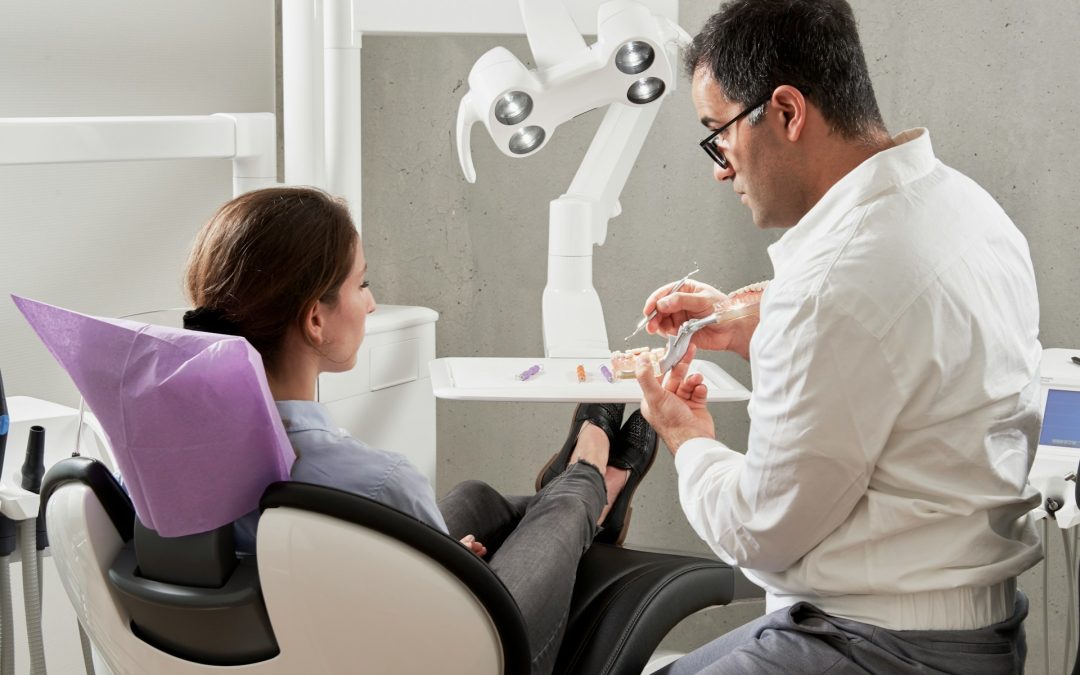
Removing a dental bridge can be a significant step in maintaining or improving your oral health. Dental bridges play a key role in bridging gaps between teeth, often created by missing teeth. These structures not only restore your smile and ability to chew properly but also help maintain the natural shape of your face. However, the decision to remove a dental bridge comes with its own set of considerations, particularly concerning the potential pain and discomfort that can accompany the process.
When a dental bridge is removed, it’s normal to experience some level of unpleasant sensation. Understanding what’s typical can help ease concerns and prepare you for the procedure. In this discussion, we’ll guide you through what happens during the removal, what sensations you might feel, and how to manage any post-procedure discomfort.
What to Expect During Dental Bridge Removal
The process of removing a dental bridge is a delicate procedure that requires careful attention from your dentist. Typically, the dentist will start by examining the bridge and surrounding teeth to assess the best approach for removal. The bridge may need slight adjustments or modifications before it’s completely detached from your teeth or underlying structures.
During removal, you might feel some pressure or vibration. This is normal and occurs because the dentist needs to loosen the bridge’s attachments to remove it safely. It’s important to voice any discomfort you feel, as this helps the dentist to adjust their technique for optimal comfort.
While mild discomfort can be expected, severe pain is not typical. The awareness of pressure without pain indicates routine removal, but here are some common sensations you may experience:
– Pressure or Pushing: As the dentist works to release the bridge, you might sense pressure similar to when braces are tightened.
– Vibration or Noise: The use of dental tools can create vibrations or sounds, which can feel unfamiliar but are harmless.
– Slight Tingling: Residual sensations in the gums may provide a tingling feeling, particularly if the bridge has been in place for an extended period.
It’s reassuring to know that any sensations are generally brief and managed with skill. Communication with your dentist throughout the procedure is crucial in ensuring comfort. After understanding what to expect, many find the removal process less daunting and see it as an essential part of maintaining a healthy smile. This process lays the groundwork for either fitting a new bridge or pursuing another dental solution.
Normal Pain and Discomfort After Removal
Once the dental bridge is removed, it’s perfectly normal to feel some temporary discomfort. Immediately after the procedure, your gums might feel tender, and you could experience a slight soreness where the bridge was anchored. Most people find that these symptoms are manageable with basic care and usually subside within a few days.
Here are some typical post-removal symptoms you might encounter:
– Gum Tenderness: The gums underneath the bridge may feel sensitive after removal, similar to the way they might feel after a dental cleaning or flossing.
– Slight Swelling: Mild swelling in the gum area is not uncommon and often improves on its own.
– Minor Bleeding: You might notice slight bleeding, especially if the gums were manipulated during the procedure.
To alleviate discomfort, consider simple remedies such as:
– Rinsing gently with warm salt water to soothe gums
– Using over-the-counter pain relief as recommended by your dentist
– Avoiding hard or sticky foods for a few days to prevent irritation
If symptoms persist beyond a week or intensify, consult your dentist to rule out any complications. It’s always better to get a professional opinion if something feels off.
Signs of Abnormal Pain: When to Seek Help
While experiencing some discomfort is part of the healing process, it’s important to recognize the signs that something might not be right. If you have pain that seems excessive or is accompanied by other unusual symptoms, you should act promptly.
Watch out for the following indicators:
– Severe Pain: Pain that is intense and doesn’t improve with standard remedies could signal a problem.
– Prolonged Swelling or Bleeding: Extended periods of swelling or persistent bleeding need attention from a dental professional.
– Discharge: Any discharge such as pus could be an indicator of infection and requires immediate attention.
The key in these situations is timely intervention. A trip to the dentist can address these issues before they become more serious. It’s always a good choice to err on the side of caution.
Tips for a Smooth Recovery
To ensure your recovery goes as smoothly as possible, there are several steps you can take to encourage healing and minimize discomfort:
1. Follow Aftercare Instructions: Stick to the guidance provided by your dentist regarding care routines and medications.
2. Maintain Good Oral Hygiene: Keeping your mouth clean without being harsh on the affected area can support healing.
3. Modify Diet if Needed: Eat softer foods that won’t aggravate your gums or exposed areas.
4. Stay Hydrated: Drinking plenty of water helps maintain mouth moisture and supports overall health.
A good recovery path involves keeping the lines of communication open with your dental provider. From minor discomforts to questions about next steps, never hesitate to reach out for guidance. Proper care is the foundation for maintaining your oral health and moving forward confidently.
Deciding to remove a dental bridge is an opportunity to manage your oral health proactively. If you’re considering this treatment, it’s important to do it under the care of a trusted dentist. Oro Valley Dental Arts offers comprehensive services to ensure a comfortable process. To learn more about how we can guide you through the process of remove dental bridge and other related treatments, explore our restorative care options.
Recent Comments