
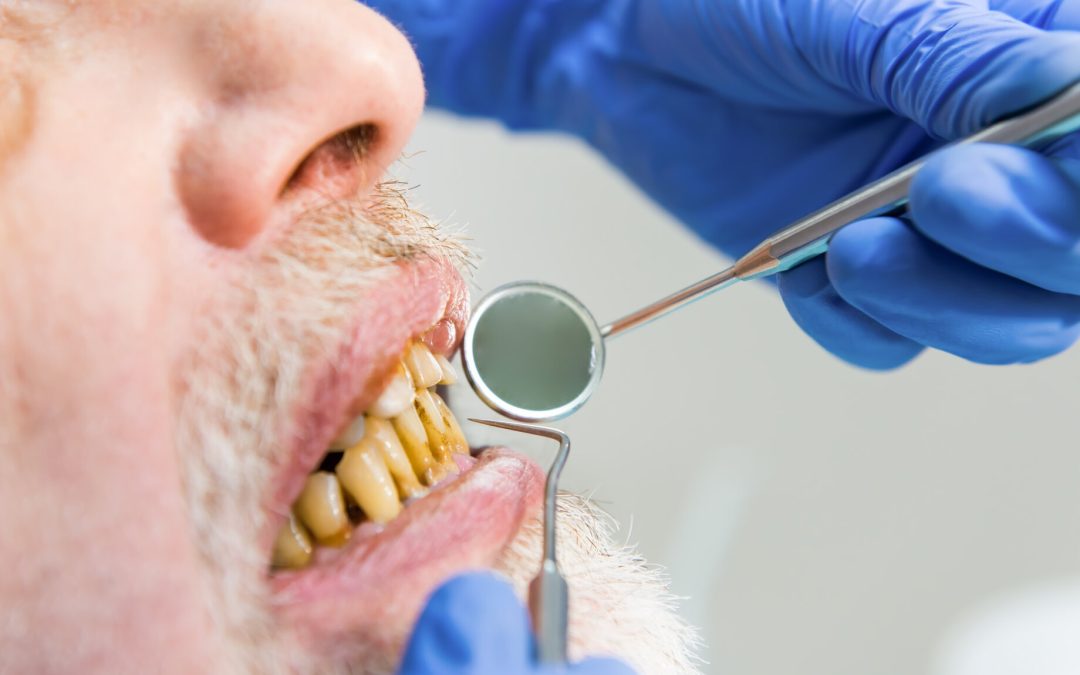
Within the previous decade, the Centers for Disease Control and Prevention (CDC) reported that 17% of children aged 5 to 19 have untreated cavities.
A cavity is the outcome of untreated tooth decay and is also known as dental caries. Tooth decay, if left untreated, can eventually lead to cavities that extend all the way to the roots of your teeth.
With the appropriate approach to dental cleanliness, early cavities can be prevented and even heal on their own. Here, we’ll explain how cavities form, how to avoid them, and how to reverse the early stages of dental decay.
Understanding How Cavities Develop
When your teeth are exposed to acids generated by oral bacteria, tooth decay and the growth of cavities occur. Frequent contact with these acidic byproducts promotes mineral degradation in your teeth over time.
Tooth decay occurs in phases, each of which contributes to the formation of a cavity:
- Demineralization in which the enamel is exposed to the acids as bacteria interacts with sugar or starch in food
- Enamel decay is where the enamel starts to break down, and cavities or holes start to form
- Dentin decay is a later stage in cavity formation that can be painful as the decay has reached the dentin or soft tissue in the enamel
- Pulp decay is a major stage of decay where the decay touches the pulp where the nerves and blood vessels in the mouth are
In the latter stages of cavity formation, you may have abscesses where there is a pocket of pus buildup beneath the pulp, which can be extremely painful.
What Causes Tooth Decay?
The following are some of the most common causes of tooth decay in everyday life:
- Sugary Food and Drinks
- Having Poor Oral Hygiene
- Not Producing Enough Saliva
- Other Medical Issues
Is It Possible to Reverse a Cavity?
If a cavity is identified early enough in the demineralization process, the initial stage of tooth decay, it can typically be reversed.
To restore the minerals in your teeth and prevent decay during this period, you must practice proper dental hygiene. This involves brushing and flossing regularly, as well as fluoride exposure. Fluoride is a mineral that strengthens the enamel of your teeth.
Cavities are unfortunately not always preventable, even with better dental hygiene. The cavity therapy in these circumstances is determined by how far the tooth decay has progressed.
Cavity treatment options may include:
- Filings made out of resin or a composite to cover smaller cavities
- Inlays or onlays to fill in larger cavities
- Dental crowns made of metal or porcelain when a cavity already affects a large portion of the tooth
- Root canals to fill in the damaged or infected pulp
- Teeth extractions may be needed when the tooth decay is no longer treatable
Signs You Should See a Dentist
The first symptom of a growing cavity is generally a white spot on a tooth. This white area might become brown or black over time. This browning of the enamel will eventually lead to a hole in the tooth.
You may also want to see your dentist if you start noticing sensitivity to hot, cold, or sweet foods. You should not be feeling pain as you chew or bite down.
Conclusion
Tooth decay can be a big problem in the long run, but it can be prevented and even reversed with proper dental care.
It’s always good to schedule yearly examinations and cleanings to identify any growing tooth decay. Early detection of a cavity is the most effective strategy to prevent tooth decay from spreading to the dentin or pulp of your teeth.
Are you looking for a dental clinic in Oro Valley? Oro Valley Dental Arts is an all-around dental provider that can take care of all your dental needs. Contact us to learn more!
Recent Comments