
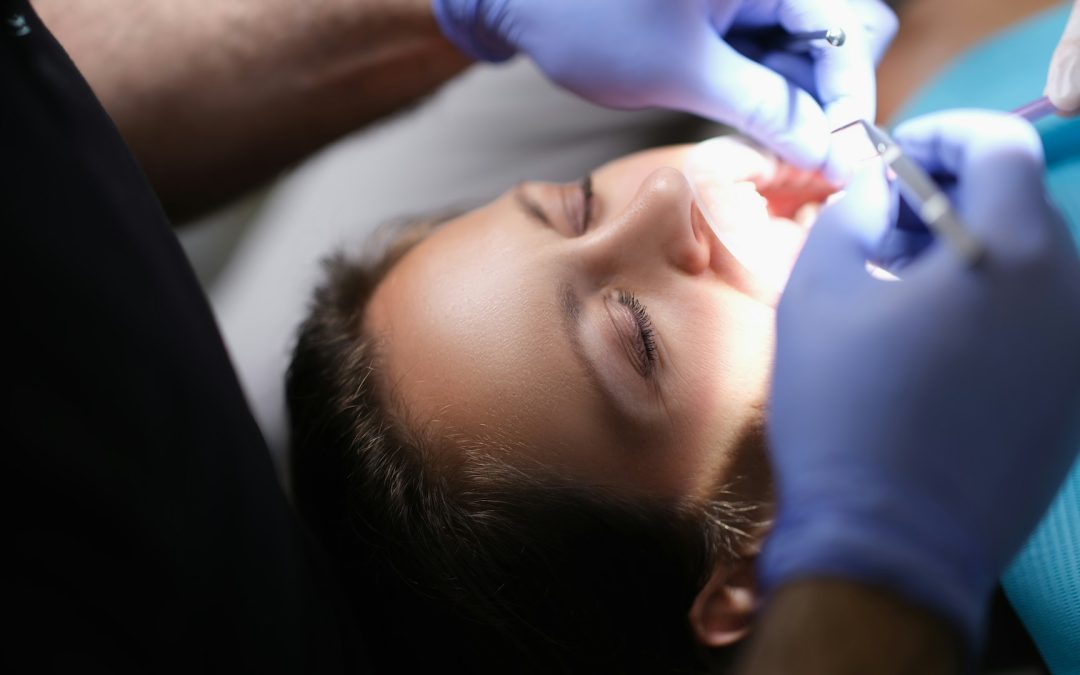
A dental full crown is a strong, protective cap that fits right over a tooth. We usually suggest one when a tooth is too weak, broken, or worn down to hold up on its own. Once a crown is in place, it helps the tooth handle everyday pressure from chewing, biting, and even talking.
Crowns work hard every single day. Whether you’re biting into toast at breakfast or enjoying a holiday meal with friends, your teeth go through a lot. And if you’re in Oro Valley, Arizona, the late fall season tends to come with cooler air, seasonal snacks, and maybe a little extra teeth grinding during the year’s busy end. It’s good to know how strong crowns are built and the ways they handle that daily load. Here’s what helps them stay tough over time.
What a Crown Takes On Everyday
Your teeth put in more work than most people realize. By the time your head hits the pillow, you’ve probably taken hundreds of bites, sipped hot or cold drinks, and maybe dealt with a bit of clenching without meaning to.
- Biting and chewing are the obvious ones. Whether it’s a sandwich or something crunchy, the back teeth especially deal with pressure over and over again.
- Grinding during sleep or from stress adds extra force without us even noticing. This can gradually wear down teeth or crowns, especially in high-stress times like late fall.
- Clenching during the day, even from trying to focus or during colder mornings, puts pressure on the sides of the teeth, not just the top.
Natural teeth are built to take this kind of use. They’ve got roots and nerves that help distribute pressure. A dental full crown is built to mimic that, using solid materials and careful design to carry the load without letting the tooth underneath get hurt. Not every type of crown is perfect for every tooth. Some materials, like all-ceramic ones, work well when you want a natural look and decent strength. Others, like metal or porcelain-over-metal, hold up better under heavy pressure.
For each patient, we consider not just the state of the tooth, but how your bite works as a whole. The placement and type of crown depend on which tooth needs support and how much force it will need to handle day in and day out. The way each mouth moves is unique, and understanding this helps us choose the right balance between lasting power and a natural look.
How Crowns Are Made to Handle Pressure
Crowns don’t all work the same because they don’t all get made the same. The way a crown gets built and how it fits over the tooth makes a big difference in how well it handles pressure.
- Materials matter. Most crowns are made of strong stuff like ceramic, porcelain, or metal. These don’t break down easily and can stand up to daily pressure for years when made right.
- Good shaping keeps the bite even. Each crown is shaped to match the person’s bite, so when you close your mouth, it aligns just like a regular tooth. That keeps things comfortable and helps spread out the pressure.
- Fit is just as important. If a crown isn’t sitting quite right, certain spots can take all the force and wear down quicker. That’s why checking your bite after it’s placed is so key.
We always look at how a person chews and where they put pressure the most. It’s very common for someone to favor one side of the mouth without realizing it. If we catch that early, we can make sure the crown gets placed in a way that helps the bite stay balanced and the jaw comfortable.
We use state-of-the-art technologies, including digital impressions, to achieve a precise crown fit. Crowns are custom-matched for color, ensuring that your restored tooth looks natural and blends seamlessly with the rest of your smile.
Throughout the process, each tooth is carefully prepared to make space for the crown. The natural tooth structure is shaped so the new crown can fit snugly, adding strength without causing discomfort. Our careful attention to the details during this step prevents problems later on, as a poor fit or uneven bite can cause headaches or wear down your restoration faster than necessary. The new crown is then attached securely, so you can get back to chewing and smiling without worry.
What Helps a Crown Last Longer
Once a crown is in, how long it lasts depends a lot on daily habits. Some are simple to stay on top of but easy to forget about until something feels off.
- Chew evenly when you can. If you always bite on one side of your mouth, the crown there has to work twice as hard.
- Skip super hard or sticky foods when possible. Biting into hard candy or chewing sticky snacks doesn’t just wear a crown down, it can shift or crack it.
- Teeth grinding at night, called bruxism, claims a lot of crowns over time. If you wake up with a sore jaw or headaches, we’ll usually suggest checking for signs of grinding.
- Regular cleanings and checkups really help. They let us spot signs of extra wear early and make small fixes before there’s damage.
Keeping up with routine dental exams is important, as our experienced dental professionals can spot early signs of wear or structural issues before they become bigger problems. We recommend six-month checkups and cleanings to support the health and longevity of crowns and your natural teeth.
Even the smallest changes in bite or pressure can shorten a crown’s life if not checked. That’s why it helps to be attentive to things that feel off and to keep up with regular visits. Sometimes, we’ll advise the use of a simple mouthguard at night to reduce any damage from grinding, especially for people who notice jaw tension or headaches in the morning.
These habits are even more important around the holidays when food choices change and daily schedules get a little off track. Being mindful now can prevent early wear on a crown before winter starts.
When a Crown Feels Off
Sometimes, a crown that started out fine begins to feel like something’s not quite right. The sooner we look at it, the easier the fix usually is.
- A change in bite, or even a subtle click when you chew, can mean the crown has shifted slightly or is wearing down unevenly.
- Sensitivity to hot, cold, or pressure might mean the crown no longer fits snugly, or the tooth underneath needs attention.
- Pain or looseness is a red flag. A crown shouldn’t wiggle, and if it does, that’s a sign we need to check it right away.
Damage doesn’t always show on the outside. That’s why routine exams and staying tuned in to how your mouth feels really matter. A quick visit before winter gives us time to make adjustments, especially with the holidays just ahead.
A crown’s job is to keep things stable and protect the underlying tooth, but changes in fit or bite pressure can make even a well-placed crown feel different. If something is off, we can check for new wear or shifting right away, helping you avoid bigger issues down the road.
Oro Valley, AZ Crown Care for Confidence Year-Round
Crowns take on a big job, protecting teeth and holding up to daily chewing, biting, and stress. When they’re placed well and cared for, crowns can provide years of reliable function and a natural look.
Giving your crown the right attention, by noticing bite changes, making mindful choices with food, and keeping up with regular checkups, maintains its strength and comfort. We proudly serve the local community with crown care and advanced techniques, so our patients can feel confident in their smile no matter the season.
At Oro Valley Dental Arts, we understand how important it is to maintain the strength and comfort of your dental restorations. If you’re experiencing any discomfort or notice a change in your bite, it might be time to consider dental crown repair in Oro Valley. Our expert team is here to ensure your crowns are performing at their best, safeguarding your smile every day. Reach out to us today for personalized care and to keep your oral health in top shape throughout the year.
Recent Comments