
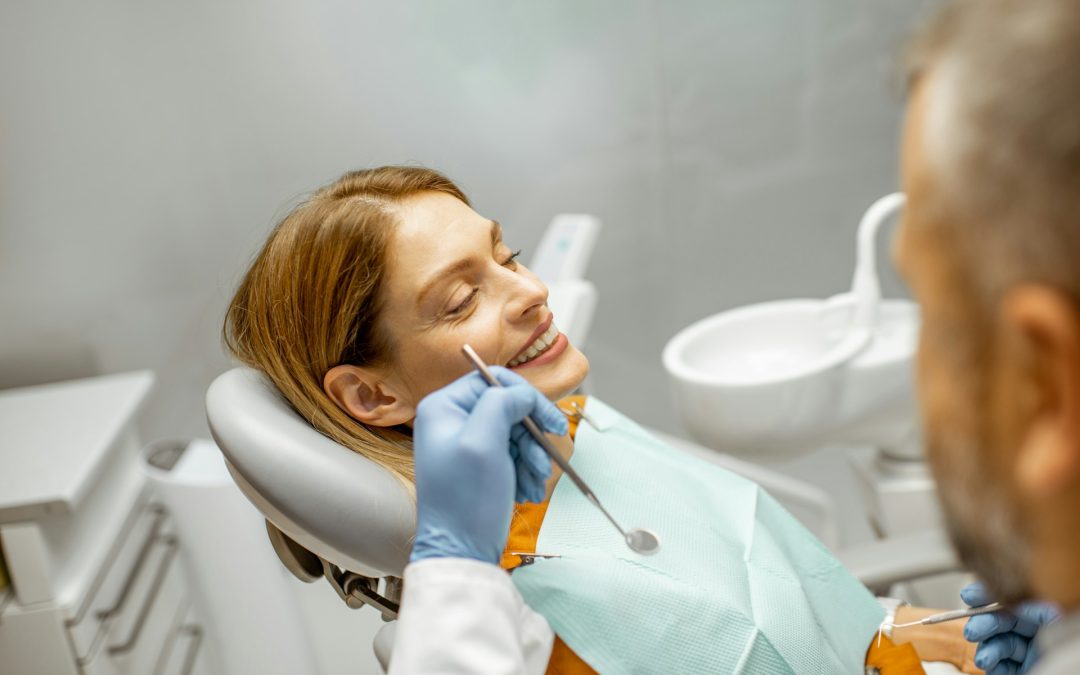
You go in for regular cleanings, you brush and floss every day, yet something still feels off. Maybe your gums still feel sore, or your breath never seems quite fresh. It’s easy to wonder if your dental hygiene service is actually helping. That can feel frustrating, especially when you’re doing everything you’ve been told.
If you’re based in a dry climate like Oro Valley, Arizona, some of those issues can be linked to changes in the air or your environment. But sometimes, the problem runs deeper. If your cleanings don’t seem to be making a difference, let’s take a closer look at what might be going on and what can help you move forward with more confidence.
Signs Your Cleaning Routine May Not Be Working
Sticking to a routine doesn’t always mean it’s the right routine. Here are a few signs that your current dental cleanings might not be as effective as they should be:
- Gums stay red or feel swollen days after your visit
- New tartar or plaque shows up shortly after you’ve just had a cleaning
- You notice your breath still smells bad, even with daily brushing and flossing
If you’ve seen one or more of these issues, it’s worth paying attention. They’re not always signs of serious problems, but they can point to gaps in the care you’re receiving or how your body is responding to it.
Reasons Your Dental Hygiene Service Might Fall Short
Every mouth is different. A one-size-fits-all cleaning might not cut it if you’re dealing with unique needs that haven’t been spotted yet. Sometimes, there’s a lack of communication during appointments. If we don’t talk about what’s been bothering us between visits or we skip mentioning changes in flossing habits, important details get missed.
In other cases, regular cleanings might not go deep enough. If there’s early gum disease, for example, and a deeper cleaning wasn’t recommended or offered, that basic service won’t fix the real issue. Bite alignment or past dental work can also impact how clean your teeth really get, even after a professional visit.
What to Ask at Your Next Appointment
If you’re feeling stuck, it helps to go into your next cleaning appointment ready with a few good questions. You don’t have to wait for the provider to bring up concerns if something feels wrong to you.
Try asking things like:
- Can we talk about areas that are still bothering me even after cleanings?
- Based on what we’ve seen before, should I come in more or less often?
- Would it make sense to get updated x-rays or check parts of my mouth we haven’t looked at a little closer?
These questions keep the conversation honest and focused on your specific concerns. You shouldn’t feel rushed or brushed off when something doesn’t feel right, even if everything looks fine on the surface.
Working With Providers Who Take a Closer Look
An effective dental hygiene service should reflect what’s actually going on in your mouth, not just follow a set routine. If a provider takes time to look deeper or asks follow-up questions, that’s a good sign. The goal is to see whether anything is being overlooked that might explain your ongoing issues.
It doesn’t always take big changes to make a difference. Sometimes a smaller toothbrush head or switching up floss techniques can help. Regular follow-ups might be needed if certain areas keep flaring up or if healing from previous issues is moving slowly.
It matters when someone is paying attention and willing to look again if something still feels wrong. That kind of persistent care can help build trust and get better results.
The Role of Season in Dental Health
Fall in a place like Oro Valley, Arizona, might not come with freezing temperatures, but it does bring drier air. That alone can make your mouth feel different. For many people, lower moisture levels mean their mouth dries out more often without them noticing.
Dry mouth isn’t just uncomfortable, it can actually make regular hygiene less effective. You might find yourself fighting more plaque or noticing bad breath return quickly. Dryness can also slow healing if you’ve been recovering from gum problems recently.
Here are a few simple fall habits that can help:
- Drink more water during the day, not just with meals
- Use a room humidifier if you sleep with your mouth open at night
- Step outside with your mouth covered during windy days if dust is in the air
Protecting your mouth from seasonal changes in the environment gives everything else you’re doing a better chance to work.
Keeping Your Smile on Track Without the Guesswork
When you’re already brushing, flossing, and seeing someone for cleanings, it can feel frustrating to still have problems. But every mouth has its own patterns and challenges. It’s worth pausing to check if the care you’re getting still fits your needs, or if something new has popped up that requires a different approach.
Oro Valley Dental Arts uses technologies like digital x-rays and intraoral cameras during exams and dental hygiene visits. This lets our dental team monitor gum health more closely and spot issues that might be missed by the naked eye. In addition to routine cleanings, your hygienist may recommend fluoride treatments or dental sealants for added protection, especially if your teeth seem to need a little extra help from season to season.
Partnering for Healthier Smiles Year-Round
As we move through the drier season here in southern Arizona, listening to your body and knowing what questions to ask can make a real difference. If something doesn’t feel right after your dental hygiene service, don’t ignore it. Tracking the changes you see and speaking up during appointments are simple steps that can help you move forward with more clarity and confidence.
When regular cleanings still leave you wondering about your oral health, it might be time to rethink how your care is managed. We look closely at your everyday needs and consider how Oro Valley, Arizona’s unique seasons might play a role. Taking another look at your current dental hygiene service could help resolve those lingering concerns. Call Oro Valley Dental Arts to schedule a visit that works for you.
Recent Comments