
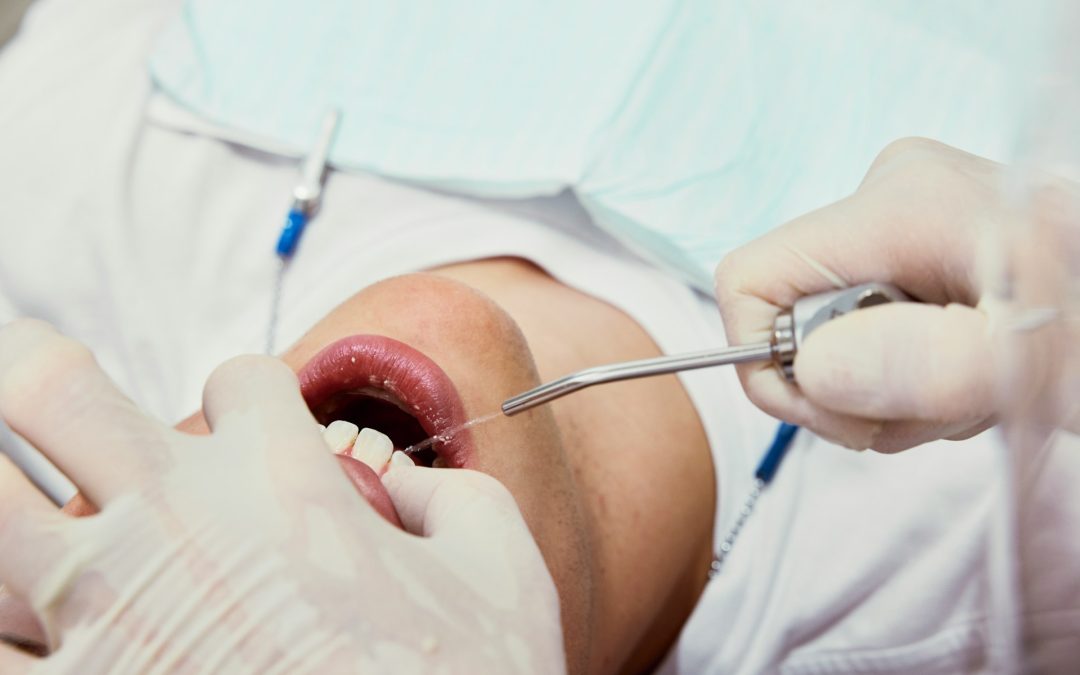
Healthy gums are just as important as healthy teeth when it comes to maintaining good dental hygiene. Most people focus on brushing to avoid cavities, but gum health often gets overlooked until something feels off. It starts small—maybe a little redness or a bit of bleeding when you floss. But left untreated, these signs can lead to gingivitis, the earliest stage of gum disease.
Gingivitis can sneak up without causing pain at first, which makes it easy to ignore. But that’s usually when it has the biggest chance to grow into something more serious. Keeping your gums in shape doesn’t have to be hard or time-consuming. A few smart habits at home, along with help from a dental hygiene dentist, can go a long way.
Understanding Gingivitis
Gingivitis is an inflammation of the gums caused by a buildup of plaque. That soft, sticky film you feel on your teeth now and then? That’s plaque, and if it’s not cleaned off daily, it can harden and start irritating your gums. In the early stages, gingivitis might show up as redness, swelling, or light bleeding, especially when brushing or flossing. At this stage, it’s still reversible, which is why it’s helpful to understand what to watch for.
Here’s what to look out for:
- Gums that bleed when brushing or flossing
- Puffiness or tenderness around the gum line
- A darker shade of red instead of a healthy pink
- Bad breath that doesn’t go away
- Gums that seem to pull away from your teeth
These signs usually point to a mix of bacteria, plaque buildup, and possibly some habits that aren’t helping—like going too long between brushing, smoking, or skipping floss. Don’t assume your brushing alone is enough. Gingivitis can develop in spots that your toothbrush doesn’t reach well, especially around the gum line and between teeth.
Stress, poor nutrition, and even certain medications can also make your gums more sensitive or slow their ability to heal. People with health issues like diabetes often have a harder time keeping gum inflammation under control, which makes routine care even more important.
Home Remedies to Manage Gingivitis
Most people think of brushing and flossing as the basics, and they are. But it’s the way you do these things and how consistently you do them that really matters. If you’re experiencing early signs of gingivitis or just want to tighten up your routine, here’s a list of home habits that make a difference:
1. Brush gently, twice a day: Use a soft-bristled toothbrush and focus along the gum line. Brushing too hard does more harm than good.
2. Floss once a day: Get between the teeth and slide slightly under the gum line to remove buildup your toothbrush can’t reach.
3. Rinse with an antimicrobial or saltwater rinse: It helps reduce bacteria that cause irritation and odor.
4. Stay hydrated: Drinking enough water keeps your mouth from getting too dry, which helps flush away leftover food and bacteria.
5. Eat fresh, crunchy produce: Foods like apples or carrots help clear plaque and support healthy gums.
6. Skip the sugary drinks and snacks: Sugar feeds the bacteria behind gum inflammation, so cutting back helps keep things under control.
None of these alone can fight off gingivitis if it’s already advanced, but keeping up with them daily can support your gum health and make professional cleanings more effective. One Oro Valley resident shared that just adjusting their brushing habits cleared up their bleeding gums in a few short weeks. Consistency was more helpful than brushing extra hard or adding tons of products. Sometimes, it’s less about needing more and more about doing better with what you already use.
Professional Care for Gingivitis
While keeping up with at-home care plays a big part in gum health, seeing a dental hygiene dentist is just as important, especially when gingivitis doesn’t improve or keeps coming back. Certain areas in your mouth, like tight spaces between the teeth or behind molars, can hang on to plaque even if you brush and floss every day. That’s where professional help steps in.
At a routine cleaning appointment, your dental team can reach the spots that are hard to clean at home. They use special tools that remove hardened plaque, also called tartar. Once tartar sticks to your teeth, it can’t be removed by brushing. If gingivitis has caused more inflammation than usual, your visit may involve deeper cleaning along the gum line to stop the irritation from spreading.
Professional dental cleanings are also a chance to spot the early signs of gum disease before it earns a more serious name like periodontitis. If your gums bleed often or feel sore around certain teeth, your dental hygiene provider can check whether it’s a matter of technique, buildup, or something more. Sometimes, it’s as simple as switching to a different toothbrush or learning a new angle for flossing.
In some cases, a dentist may use polishing pastes or antibacterial treatments to target problem areas. These are safe in a professional setting and shouldn’t be compared with over-the-counter rinses or pastes. The goal isn’t just to clean the gums. It’s to help them return to a state where they can protect themselves better going forward.
When you combine these visits with steady habits at home, your chances of beating back gingivitis go way up. Think of dental visits not as emergency stops, but as regular resets that keep everything on track.
Daily Tips to Prevent Gingivitis Before It Starts
Once your gums are back to a healthy state, keeping them that way comes down to being consistent. The biggest mistake people make is waiting until something feels wrong. By then, inflammation is already underway. Staying one step ahead doesn’t mean spending more time. It just means using that time more wisely.
Here are a few practical ways to prevent gingivitis from creeping back:
- Stick to a brushing routine: Twice a day isn’t optional. Make sure it includes gentle strokes. Hard brushing won’t remove more plaque, but it can definitely wear down your gums.
- Don’t ditch the floss: It may feel like an extra step, but the space between your teeth is where gingivitis often starts.
- Cut back on sugary snacks: Sugar fuels plaque. Less sugar means less to feed the bacteria.
- Skip tobacco: Smoking or chewing tobacco makes it harder for your gums to heal after irritation. It also dries out the mouth, which makes things worse.
- Drink water regularly: Hydration keeps your mouth moist and helps wash away leftover food after meals.
- Pay attention to how your gums look: A sudden change in color or shape of your gums is worth asking about at your next visit.
Even something like seasonal dry mouth from allergies or medication can leave your gums more vulnerable. If something feels off or you’re catching more bleeding than usual, don’t just brush past it. Flag it with your dental hygiene provider.
Keep Your Gums Healthy and Happy
Preventing gingivitis is a team effort between your daily habits and your dental care provider. Brushing and flossing give you a strong foundation, but professional cleanings keep the harder-to-reach areas from causing trouble. It’s easy to fall into the mindset that if your teeth don’t hurt, everything’s fine. But your gums can show early signs of trouble long before you feel discomfort.
The good news is that with the right care, gums can and do recover, especially when caught early. Keeping up with appointments, staying on top of your oral routine, and paying attention to minor changes all help keep things from getting worse. Gum health doesn’t need to be complicated, just consistent. And if something feels off, don’t ignore it. Getting help early can save you time, stress, and unnecessary treatment later on.
If you want to keep your gums in the best shape possible, working with a dental hygiene dentist can make all the difference. Oro Valley Dental Arts offers dedicated care to help you stay on top of your oral health with a routine that actually works for your smile.
Recent Comments