
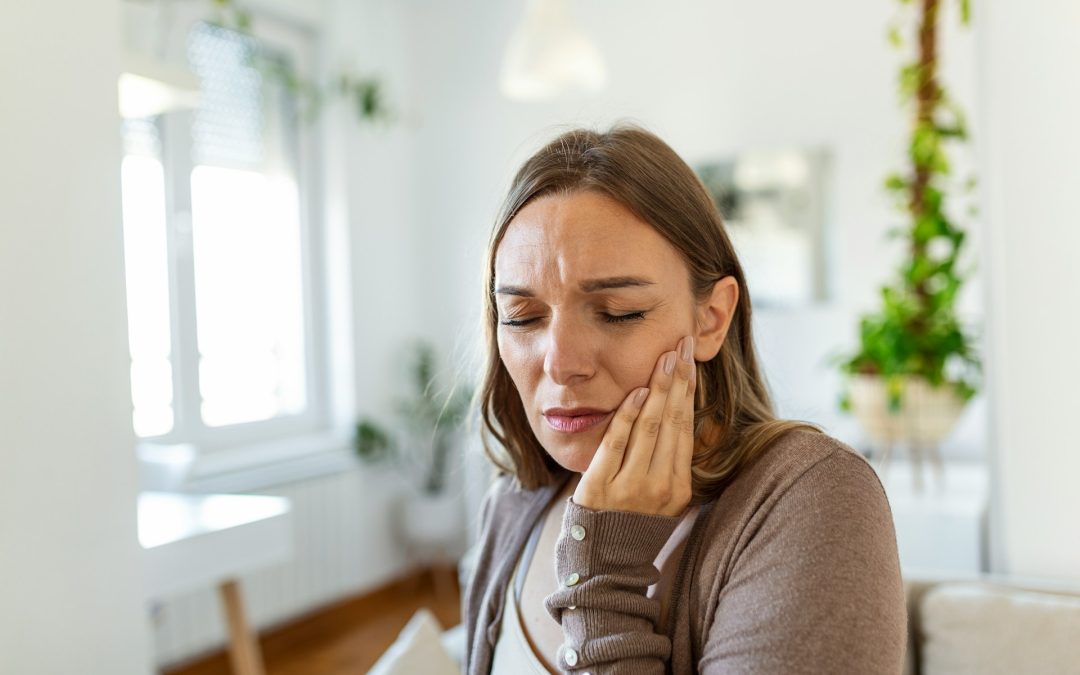
Teeth whitening is a fantastic way to brighten your smile and boost your confidence. It’s a popular treatment, loved by many for its ability to lighten the shade of teeth significantly. But like all good things, it comes with a catch. Many folks experience an unexpected side effect: lingering sensitivity. This discomfort might be small, but it sure can be annoying.
While sensitivity is common after whitening, it’s not something you just have to endure. The key lies in understanding why it happens and how you can manage it effectively. Getting to know the basics of sensitivity after whitening can help you feel more comfortable and at ease.
Understanding Tooth Sensitivity
So, you’ve got your teeth looking sparkling white, but now they feel a bit too sensitive. What’s going on here? When whitening agents do their magic, they work by breaking down stains on the enamel. This process can irritate the tooth nerves, which is why you might feel a tingling sensation that wasn’t there before.
The good news is this sensitivity is typically temporary. Most people notice it lessening over time, often within a few days to a week. But why do your teeth feel like this in the first place? The enamel, while strong, can become porous during the whitening process. These tiny openings can let external stimuli reach the nerves more easily, causing that sudden zing.
To help manage and lessen sensitivity, it’s important to know some quick and easy tips. These can make you feel more comfortable while enjoying your brighter smile. Trying a few simple changes can really make a difference. Understanding what’s happening with your teeth can help you handle the sensitivity better until it fades away.
Immediate Steps to Alleviate Sensitivity
To start reducing that uncomfortable sensation in your teeth, there are a few easy adjustments you can make at home. For one, switching to a toothpaste formulated for sensitive teeth can really help. These types of toothpaste have special ingredients that mildly numb the teeth, providing a soothing effect.
Another tip is to avoid foods and drinks that are either too hot or too cold right after whitening. Extreme temperatures can intensify sensitivity, making your teeth feel even more uncomfortable. Lukewarm or room temperature meals and drinks should be your go-to in the days following your treatment.
Also, consider the kind of toothbrush you’re using. A soft-bristled toothbrush is gentler on your gums and enamel, preventing further irritation. Think of it as a gentle approach to cleaning, like using a feather duster instead of a wire brush.
Long-Term Solutions for Managing Sensitivity
Once you’ve tackled the immediate discomfort, focusing on long-term care can ensure a bright yet comfortable smile. Good oral hygiene can keep your teeth healthy and reduce sensitivity over time. Regular brushing and flossing help maintain enamel strength and prevent cavities, which can exacerbate sensitivity.
Fluoride treatments or remineralizing products can also play a role in strengthening your teeth. These products work by hardening tooth enamel, making it less permeable to the irritants that cause sensitivity. Your dental provider can suggest appropriate items or treatments tailored to your needs.
If despite these efforts the sensitivity lingers, consider professional options available at your local clinic. These might include desensitizing treatments, which can offer more relief than over-the-counter solutions.
When to Seek Professional Help
Sometimes sensitivity can point to deeper issues. If your discomfort continues beyond a week or becomes more intense, it might be time to consult a dental professional. Persistent sensitivity could indicate problems like gum recession or cavities, which need more than just a change in toothpaste.
Take note of any other changes, like persistent pain or swelling, which could suggest an underlying problem. Should these situations occur, reaching out to a dentist can provide both peace of mind and effective treatment. They can assess your situation and recommend solutions tailored to your specific concerns.
A Confident Smile All Year Round
Having a dazzling white smile shouldn’t mean dealing with pain or discomfort. By understanding sensitivity and adopting these helpful strategies, you can enjoy your brighter teeth without unwanted side effects. A little extra care can go a long way in maintaining comfort through the whitening process.
Lastly, remember that professional guidance can keep your smile both bright and healthy. Regular dental check-ups ensure your teeth get the care they need and can identify any issues before they become bigger problems. With these steps in practice, you’re set for a confident smile year-round.
Transforming your smile with confidence doesn’t have to be accompanied by discomfort. By applying these simple strategies, you’re taking proactive steps to manage any lingering sensitivity. If you’re looking for continued support and guidance, consider exploring the comprehensive services offered by our teeth whitening clinic. Oro Valley Dental Arts is here to help you keep your smile bright and comfortable throughout the year.
Recent Comments