
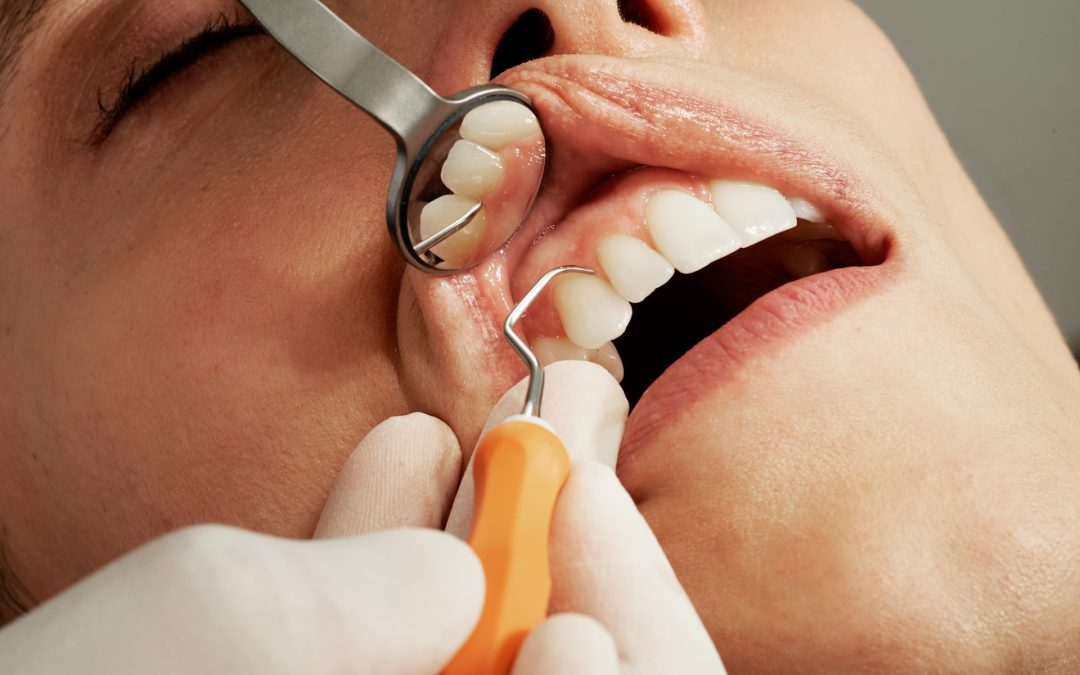
Gum recession around dental implants can be a real concern for many people. It’s not just about the appearance of your smile; it can also affect your overall oral health. When your gums pull back and expose more of a tooth or the tooth’s root, it might feel uncomfortable or even painful. But more than that, it can create spaces between your gums and teeth that allow harmful bacteria to build up. This can lead to more serious issues if not addressed. Understanding the problem can be the first step in the right direction.
Acting quickly when you notice signs of gum recession is important. Waiting too long can cause complications with the dental implants. Sensitive gums, toothaches, or changes in how your bite feels might all hint at gum recession. When you pay attention to these signals, it becomes easier to manage, and the solutions can be simpler. Having some background knowledge on this topic can make a big difference for anyone going through it or anyone who wants to prevent it in the first place.
Understanding Gum Recession Around Dental Implants
When we talk about gum recession, we’re talking about your gums slowly wearing away or pulling back from the surface of the teeth. This can happen around dental implants just as easily as with natural teeth. Dental implants serve as replacements for missing teeth and are usually a reliable option for restoring that winning smile. To keep them working well, your gums need to be healthy.
How can you tell if you have gum recession? Well, there are a few signs to watch for. Some people notice that their teeth appear longer than before or that some teeth look more exposed. You might feel sensitivity when eating or drinking something hot or cold. It could even be that spaces start appearing between the teeth that weren’t there before. Noticing any of these early signs can push you to get them checked by a professional before it becomes a bigger problem.
Causes of Gum Recession Around Dental Implants
It’s useful to know what might cause gum recession so you can take steps to avoid it. There are several reasons gums might start to recede around dental implants.
– Poor oral hygiene: Not taking care of your teeth and gums can lead to plaque buildup, which in turn can lead to gum issues.
– Aggressive brushing: Brushing with too much force can wear down the gums over time. It’s a common mistake but one that’s easy to correct.
– Gum disease: Conditions like gingivitis or periodontitis can make your gums recede. Treating gum disease promptly helps in keeping both natural teeth and implants in great shape.
– Lifestyle habits: Things like smoking can contribute to gum recession. Smoking can have a negative impact on gums by reducing the blood flow, making it tougher for the gums to stay healthy.
If you’re aiming for healthy gums around your dental implants, recognizing these causes is the first step. Considering these things before they become issues is often one of the best approaches. Taking action early helps in maintaining a bright and healthy smile for a longer duration.
Preventive Measures
Keeping your gums healthy starts with good oral hygiene, which is crucial for avoiding gum recession around dental implants. A few simple practices can go a long way in protecting your gums. First, make sure to brush twice daily using a soft-bristled toothbrush. This helps remove plaque without damaging your gums. Flossing daily is also important, as it cleans between teeth where toothbrushes can’t reach. Consider using an antiseptic mouthwash to rinse away any remaining bacteria for added protection.
Here are some actions to consider maintaining healthy gums:
– Choose the right tools: Opt for a toothpaste designed for sensitive teeth, which can reduce discomfort if your gums are already sore.
– Gentle techniques: Use a gentle circular motion when brushing, instead of harsh scrubbing, to safeguard your gums from damage.
– Regular cleanings: Schedule regular dental visits every six months to have your teeth professionally cleaned. These check-ups allow a dental professional to catch any developing issues early.
– Healthy habits: If you smoke, try to quit. It’s one of the best things you can do for your gums and overall oral health.
By being consistent with these good habits, you’ll greatly reduce the chances of gum problems arising around your dental implants. Being proactive is always preferable to dealing with complications later.
Treatment Options
If gum recession becomes an issue, several treatment options are available. The treatment depends on the severity of the recession. Non-surgical treatments like scaling and root planing can clean beneath the gum line to remove damaging bacteria. This procedure is often the first step to halt further recession and start the healing process.
For more advanced cases, surgical options might be needed. Gum grafting is a common procedure where tissue is taken from another part of your mouth and attached to the receding area. This not only covers the exposed roots but also helps to prevent further recession. Consulting with a specialist in restorative dental implants can ensure that the most appropriate treatment plan is followed.
Being aware of the treatment options gives peace of mind and confidence in managing your oral health. It’s reassuring to know that even if gum recession occurs, effective solutions are within reach.
Maintaining Healthy Gums Post-Treatment
Once you’ve undergone treatment for gum recession, keeping your gums healthy is key to preventing it from happening again. Start by adhering to a consistent oral hygiene routine. Use a soft-bristled toothbrush, continue flossing, and keep up with dental check-ups as previously mentioned.
Think about incorporating a few extra steps into your lifestyle. Eating a balanced diet and staying hydrated can boost gum health by ensuring the body has the nutrients needed to repair tissue. Keep an eye out for signs of irritation or sensitivity, as these might be indicators that your gums need attention.
Regular follow-up visits with your dentist allow them to monitor your gums’ health effectively. This ongoing care ensures that any further gum recession is identified and managed swiftly, helping to maintain your smile’s strength and appearance.
Protect Your Dental Implants
In safeguarding the health of your dental implants, taking decisive steps against gum recession is essential. By implementing preventive measures, seeking timely treatment when necessary, and maintaining diligent care post-treatment, you protect both your implants and your overall oral health.
Staying informed and proactive equips you to manage the challenges of gum recession effectively. By following the advice outlined, keeping your gums healthy and your smile intact becomes a more manageable task, offering assurance in the ongoing care of your dental implants.
Taking excellent care of your dental implants doesn’t stop after treatment. Continuing this upkeep is the smart way to have a long-lasting smile and maintain gum health. Learn more about how restorative dental implants at Oro Valley Dental Arts can support your long-term oral wellness and help keep your gums in great shape. Keeping up with your dental health today offers peace of mind tomorrow.
Recent Comments