
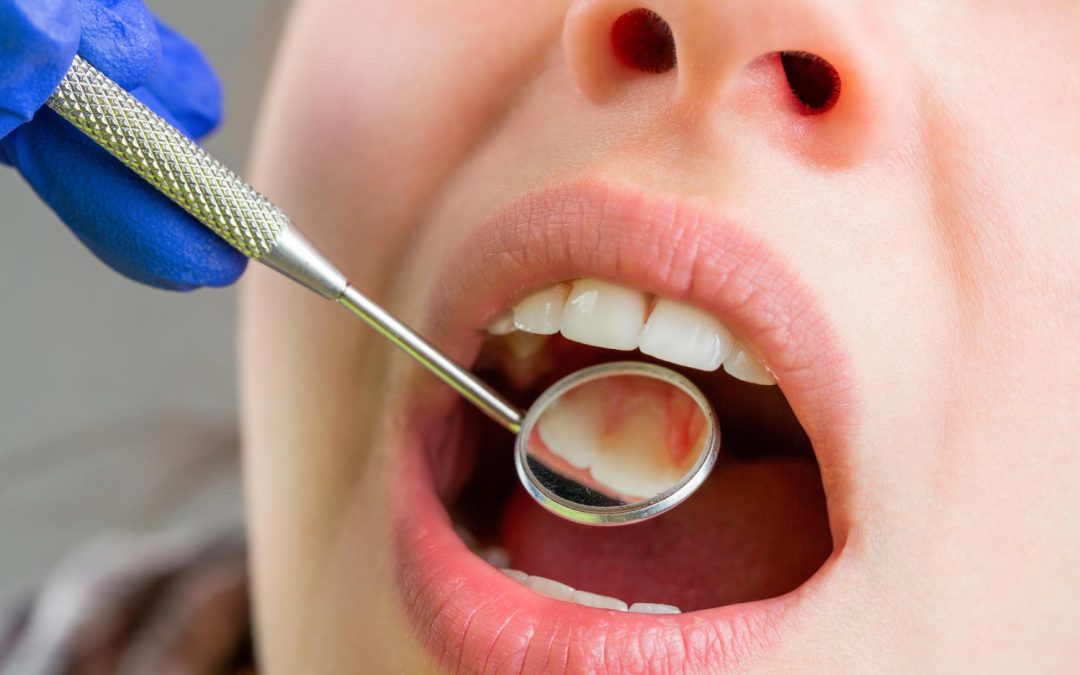
Dental bridges can be a practical solution for filling gaps caused by missing teeth. They are designed to restore your smile and help you enjoy regular functions like eating and speaking. By fitting into the space left by absent teeth, dental bridges support the remaining teeth and maintain the natural contour of your face. But, like all dental work, bridges have their lifespan and may need to be removed for various reasons.
You might consider removing a dental bridge if it’s causing discomfort or if its fit has changed. Over time, bridges can lose their stability or suffer from visible damage, impacting both comfort and oral health. In some cases, changes in your dental structure might make the bridge less effective or necessary. Understanding when it’s time to remove a bridge can help you maintain a healthy smile and avoid potential complications.
Signs It’s Time to Remove a Dental Bridge
Recognizing when a dental bridge no longer serves its purpose or becomes problematic is essential for your oral health. Here are some important signs that suggest it’s time to remove and perhaps replace a bridge:
– Discomfort or Pain: If you’re experiencing persistent pain or discomfort around the bridge area, it might indicate that something is wrong. This could stem from the bridge not fitting properly or issues with the supporting teeth.
– Visible Damage or Wear: Over time, materials used in dental bridges can wear down. If you notice cracks, chips, or any visible damage, it’s wise to have it evaluated by a dentist. Damage can compromise the bridge’s functionality and your oral health.
– Changes in Fit or Stability: Sometimes, a dental bridge may become loose or feel less stable, which often results from changes in the surrounding teeth or jawbone. This can occur naturally as your mouth’s structure changes over time or if there’s a problem with the supporting teeth.
Recognizing these signs early can mean the difference between a simple adjustment and needing a complete replacement. Don’t hesitate to consult your dentist if you notice any of these indicators, as they can help determine the best course of action. Regular check-ups can also catch potential problems early, ensuring your dental work continues to serve you well. Taking prompt action can help maintain your oral health and keep your smile looking its best.
The Removal Process: What to Expect
Once you’ve decided to remove a dental bridge, the next step is reviewing the process with your dentist. The first thing you’ll do is schedule an initial consultation. During this appointment, the dentist will evaluate the current state of your bridge and surrounding teeth. They’ll discuss your symptoms and expectations to get a good understanding of your situation. This is also the time to ask questions and express any concerns you might have about the removal procedure.
The procedure itself is straightforward and can often be completed in one visit. First, the dentist will prepare the area around the bridge. If you’ve got any discomfort, they’ll likely apply a local anesthetic to numb the area, ensuring the process is as comfortable as possible. Then, they’ll carefully remove the bridge, taking care not to harm the adjacent teeth. You might feel some pressure or minor discomfort, but it shouldn’t be painful.
Although the removal procedure is typically quick, some situations might involve a bit more complexity, especially if your bridge has been in place for many years. In such cases, the dentist may adjust their approach accordingly, but they’ll always discuss these options with you before moving forward.
Post-Removal Care and Alternatives
After removing a dental bridge, you’ll need to follow some care instructions to aid healing and keep your mouth healthy. Here are a few tips to get you started:
– Immediate Care: Stick to soft foods for the first few days and avoid chewing on the affected side of the mouth. Gentle rinsing with warm salt water can help soothe any irritation.
– Pain Management: If you experience discomfort, the dentist might suggest over-the-counter pain relief. It’s important to follow their advice for a smooth recovery.
Thinking about what’s next is also key. Once your bridge is removed, you’ll want to explore replacement options. Dental implants and dentures are two common alternatives. Each has its benefits, so weigh these options based on your lifestyle and what you feel most comfortable with. Your dentist can guide you to the best choice, considering factors like oral health and budget.
Preventing Future Issues with Dental Bridges
To avoid similar issues in the future, keeping up with proper oral hygiene is essential. Here are some simple steps to help maintain the health of new dental work:
– Regular brushing and flossing can keep your mouth free from bacteria.
– Dental check-ups every six months can help catch any problems early before they become serious.
– Avoiding hard or sticky foods can protect bridges and any other dental restorations from damage.
Maintaining these practices not only helps extend the life of dental restorations but also promotes overall oral health. Investing time in preventive care can keep your smile functional and looking great for years to come.
Looking Forward: Maintaining a Healthy Smile in Oro Valley, AZ
Maintaining your dental health is a continuous process that extends well beyond any single treatment or procedure. Regular check-ups and consultations play a big role in preventing issues like those that might lead to bridge removal. By staying informed and attentive to changes in your mouth, you can spot potential concerns early and address them proactively.
It’s always wise to seek advice from your dental professional if you notice anything unusual. They can offer insights tailored specifically to your oral health needs and help set you on the path to a long-lasting, confident smile. By prioritizing care and regular visits, you can ensure your teeth remain healthy and strong.
If you’re considering whether it’s time to remove dental bridge, visit Oro Valley Dental Arts. Our professional team is ready to help you explore solutions tailored to your needs, ensuring your dental health remains a top priority. Discover more about our expert services and how we can assist you in maintaining a vibrant smile all year round.
Recent Comments