

PrimeScan® Digital Scanner in Oro Valley, AZ
At Oro Valley Dental Arts in Oro Valley, AZ, the PrimeScan® Digital Scanner creates precise digital impressions of your teeth without messy trays or putty. This page outlines how scans work, the benefits for comfort and accuracy, and what to expect during a visit.
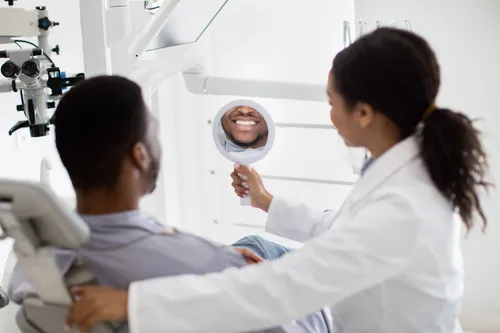
PrimeScan Digital Scanner Explained
The PrimeScan Digital Scanner is an intraoral camera system that captures thousands of images per second and stitches them into a detailed 3D model of your mouth. This “digital impression” replaces many traditional molds used for crowns, bridges, implants, clear aligner therapy, night guards, and other restorations. The process is powder-free, contact-light, and designed to reduce gag reflex triggers.
Patients often ask what is a digital impression and how does intraoral scanning work. A small handheld wand glides over the teeth while advanced optics records the shape and surface detail. The 3D model appears on-screen in real time, allowing immediate review and refinement. This approach supports better planning, efficient communication with the dental lab, and improved fit for many restorations.
Why Consider Digital Impressions?
Choosing a digital scanner vs traditional impressions can improve comfort and streamline your appointment. Key benefits include:
- Enhanced accuracy that supports precise fit and margins for many restorations.
- Greater comfort with no impression trays, putty, or strong taste.
- Speedy capture that can reduce chair time compared with conventional molds.
- Less gag reflex stimulation due to a smaller scanning tip.
- Immediate visualization so you can see your teeth in 3D during the visit.
- Efficient lab communication since files are transferred digitally.
- Clean, eco-friendly workflow with fewer disposable materials.
How A PrimeScan Visit Works
Step-by-Step Digital Scan Guide
- Initial check: The team evaluates your needs and confirms that a digital impression is appropriate.
- Tooth preparation: Teeth are dried and isolated for a clear view; no messy impression material is used.
- Scanning: A compact wand is moved over your teeth while high-resolution images are captured.
- On-screen review: The 3D model appears in real time, allowing adjustments for complete capture.
- Design and fabrication: The scan is sent to a lab or in-office design system to plan your restoration or appliance.
- Quality verification: Fit and bite are checked at delivery, with refinements made as needed.
Depending on the case, digital impressions can support same-day or expedited workflows, though timing varies by treatment type and lab coordination.
Your Visit: What To Expect
Most scans take only a few minutes per arch, so patients asking how long does a dental scan take can expect a short, well-tolerated procedure. There is no radiation; the scanner uses light to capture images. You can breathe normally through your nose, and short breaks are available if you have a strong gag reflex or jaw fatigue.
Digital impressions are helpful for crowns, bridges, implant restorations, clear aligners, retainers, and occlusal guards. They are also useful for before-and-after comparisons during treatment. If areas are difficult to access due to limited opening or excess saliva, the team may dry and retract tissues to ensure a complete, accurate scan.
There is nothing special to do after a scan. You can return to normal activities right away. If you are curious about the benefits of digital dental impressions or is intraoral scanning safe, the short answer is yes—optical scanning is noninvasive and well suited for most patients.
Have Questions or Need an Appointment?
For guidance on the PrimeScan Digital Scanner in Oro Valley, AZ, contact Oro Valley Dental Arts at 520-297-2007 to schedule a visit with our dentists with Dr. Joseph M. Larsen or Dr. Jyoti Farwaha.
Frequently Asked Questions About PrimeScan Digital Scanner
- What Is the Difference Between a Digital Impression and a Traditional Impression?
- A digital impression uses a handheld scanner to capture a 3D model of your teeth, while a traditional impression uses trays and putty. Digital scans improve comfort, reduce gag reflex triggers, and often enhance accuracy for many restorations.
- How Long Does a PrimeScan Appointment Take?
- The scan itself typically takes 2 to 5 minutes per arch, with full-mouth scans often completed in 5 to 10 minutes. Total visit time varies based on whether additional procedures, such as preparation for a crown, are performed the same day.
- Is PrimeScan Safe for Pregnant Patients and Children?
- Yes. Intraoral scanning uses light, not radiation, and is noninvasive. It is generally safe for children, pregnant patients, and those with pacemakers or metal restorations.
- Will a Digital Impression Improve the Fit of My Crown or Aligner?
- Digital scans can reduce distortions that sometimes occur with putty impressions. Many patients experience improved marginal fit for crowns and predictable seating. Digital files are also used to design clear aligners and retainers.
- Does PrimeScan Replace Dental X-Rays?
- No. Scans show surface detail of teeth and gums but do not reveal internal structures. Dentists still use X-rays to evaluate decay between teeth, bone levels, infections, or issues below the gumline. Both tools complement each other.
- Can PrimeScan Be Used for Invisalign or ClearCorrect?
- Yes. Digital impressions are standard for clear aligner planning. The precise 3D model helps aligner manufacturers create trays that follow your tooth surfaces closely for more predictable movement.
- How Should I Prepare for a Digital Impression?
- Brush and floss before your appointment, and avoid heavy lipstick or tinted balms that can transfer to teeth. Share any concerns about gag reflex or jaw comfort so the team can tailor the scan to your needs.